Female Thinning

Thinning, in women, is rarely only about hair.

It is about fullness, movement, the way a part line reads under overhead light, and the quiet familiarity of one’s own appearance. The first step is an unhurried, doctor-led conversation — not a treatment plan.

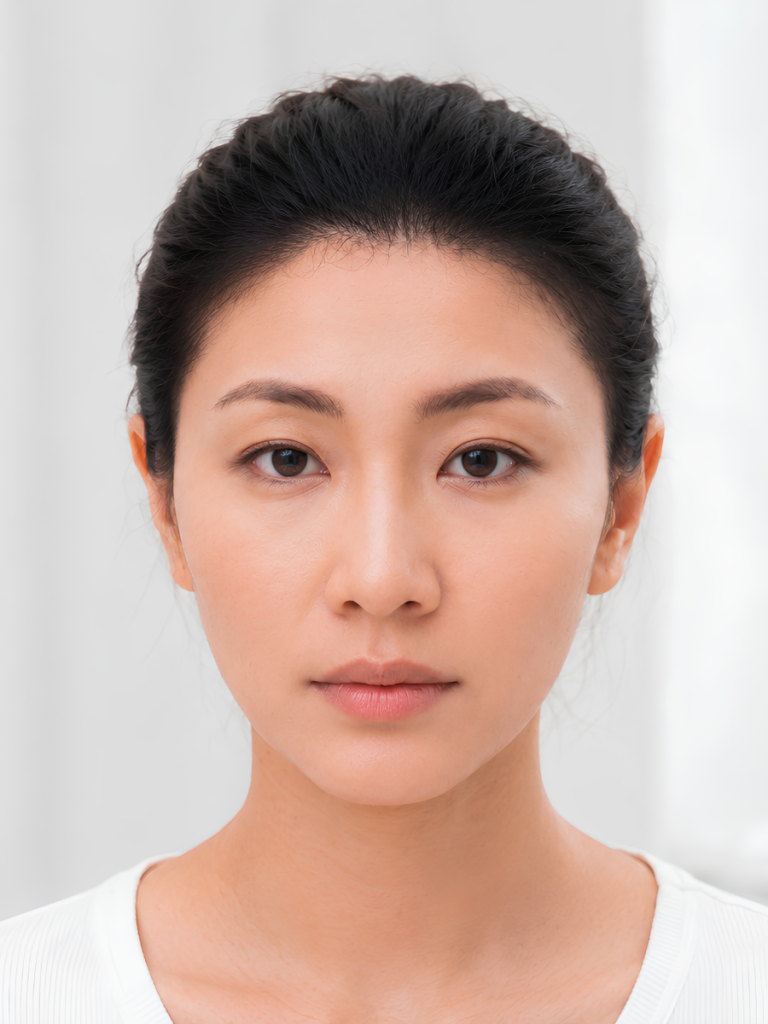
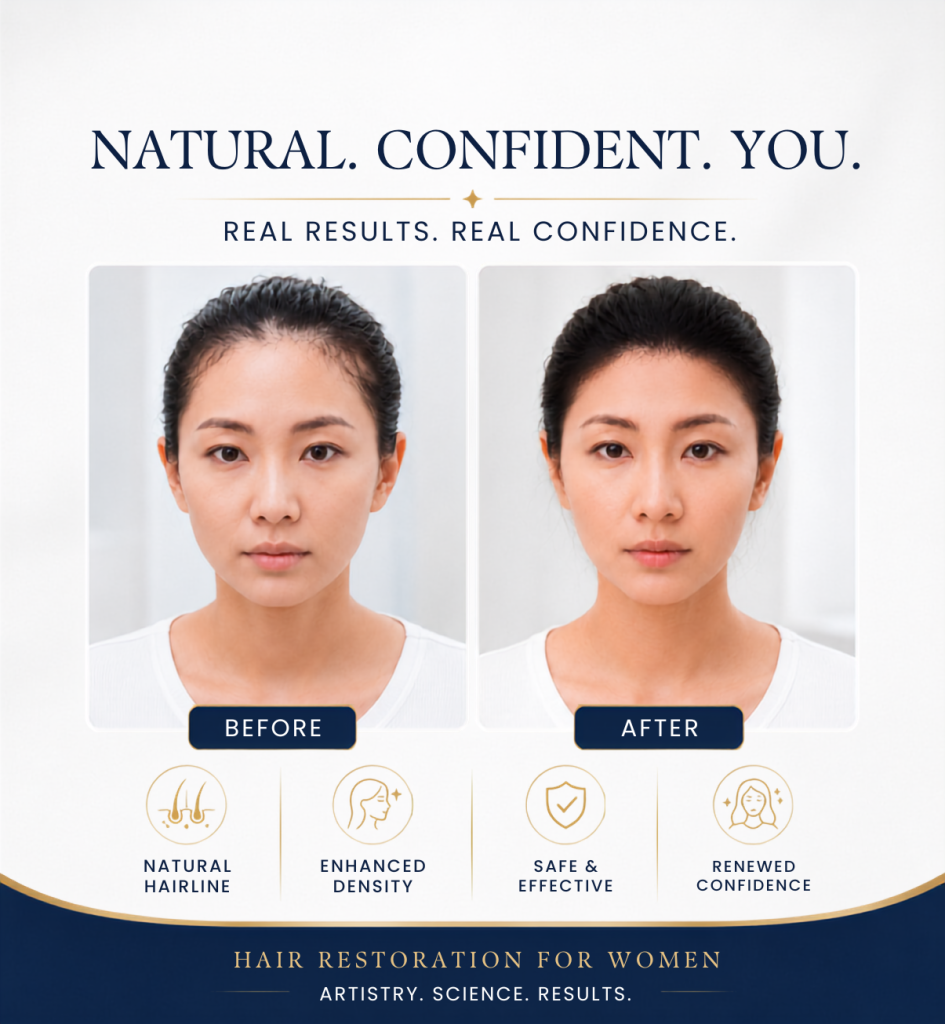
Female Hair Thinning - Before After - igraft Long Hair FUE

Why It Feels Different

Why female thinning is felt before it is seen.

Female thinning rarely arrives as a single dramatic moment. It is felt gradually — in styling routines, in photographs, in the small adjustments a woman begins to make around her own appearance, often long before anyone else notices.

01

A loss of fullness, not just hair

It is the volume, body, and movement that go first — the qualities that carried the impression of fullness without ever being measured.

02

Styling that no longer cooperates

Familiar arrangements stop sitting the way they used to. Time spent on hair quietly increases without producing the same result.

03

An unfamiliar reflection

Photographs and overhead mirrors begin to read differently. The change is felt as much as seen, often before it is articulated.

04

A concern carried privately

Most women hold the awareness for months or years before raising it openly. The emotional weight is often heavier than the visible change.

Female Hair Thinning

Density Perception

Soft Visibility Detail

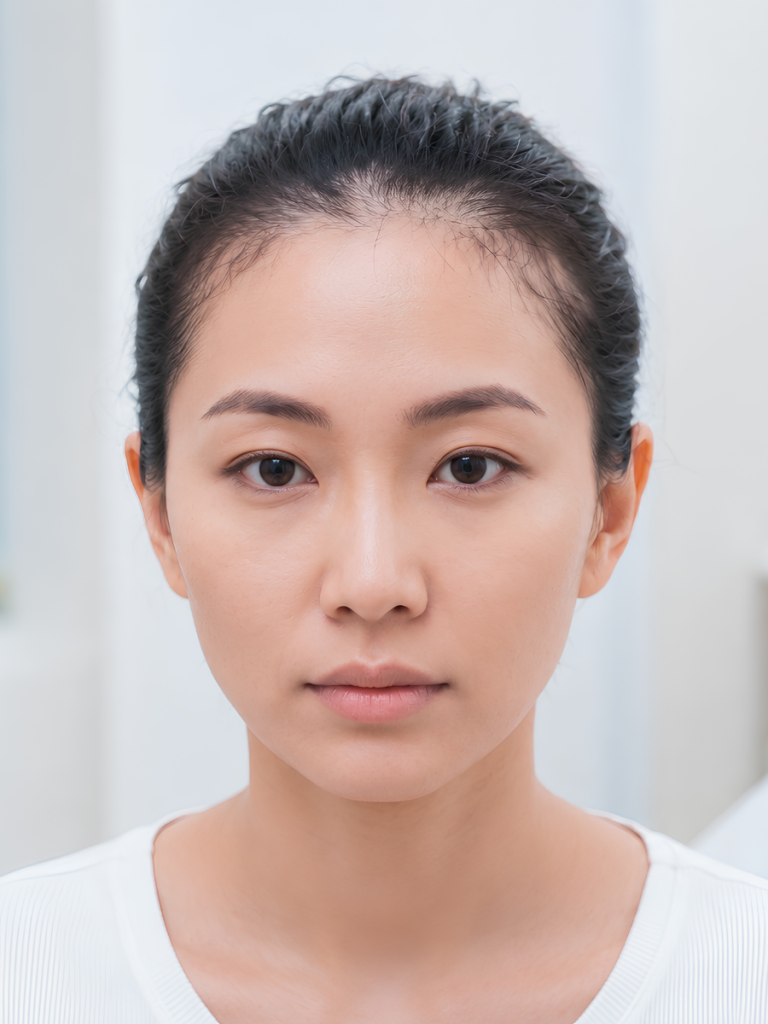
Scalp Visibility & Part Lines

The part line is usually the first witness.

01

A part that has quietly widened

Often the earliest signal — a once-narrow line that gradually opens, especially under direct or overhead lighting.

02

Overhead lighting reveals first

Bathroom mirrors, restaurants, and lifts read density differently. The change is usually noticed in environments before it is noticed in the mirror at home.

03

Wet hair tells the truth

After washing, scalp visibility becomes more apparent. For many women, this is the moment the concern moves from feeling to recognition.

04

Reduced density perception

Even before measurable loss, the eye reads contrast between hair and scalp. Perception shifts before any single follicle is missing.

Fullness, Movement, Continuity

Believable fullness, not aggressive density.

Where restoration is the right answer, the philosophy is unambiguous. The goal is believable fullness — soft volume continuity, layered movement, and texture harmony with the patient’s own hair. Aggressive cosmetic density is not the standard.

01

Volume continuity

The intent is a soft, continuous impression of fullness — not a measurable change in graft count that reads as intervention.

02

Layered movement preserved

Direction, fall, and the way hair moves through styling are designed for as carefully as density itself.

03

Texture matched to her own hair

New hairs are integrated to match the calibre, curl pattern, and behaviour of surrounding hair — never to overwrite them.

04

Refinement, not transformation

Most women are seeking subtle improvement in fullness, visual comfort, and styling confidence — not a dramatic change in appearance.

05

Doctor-led, in private

  1. Designed and performed personally by Datuk Dr. Inder, in a setting calibrated for complete privacy throughout.


Familiarity During Recovery

A familiar appearance, throughout the process.

Where Long Hair FUE is the appropriate path, healing happens within the patient’s own preserved hair. Daily life continues with a familiar appearance — though aftercare, gentle handling, and realistic timelines remain part of the process.

01

Day 0

The procedure ends within preserved hair. The patient leaves looking essentially as she arrived.

02

Days 3–7

Gentle aftercare and careful styling. Most routines resume within a few days, with sensible attention to the treated zones.

03

Months 3–6

New growth establishes within the existing fullness — gradually, quietly, and at a realistic pace.

03

Month 12

The full softness of the refined fullness emerges, integrated entirely into the patient’s own hair.

Who May Be Suitable

Not every woman with thinning is a surgical candidate, and the responsible answer is often non-surgical guidance, medical referral, or a recommendation to wait and re-assess. Where Long Hair FUE is appropriate, suitability tends to follow a clear set of patterns.

01

Localised thinning

Discrete zones — temples, hairline, part — where surrounding density remains strong and refinement can read as continuity.

02

Preserved donor reserve

Stable density at the back and sides of the scalp, evaluated personally for length, calibre, and long-term reliability.

03

A settled pattern

Patterns that have stabilised, rather than active diffuse loss — which is rarely an appropriate moment for surgical work.

04

Realistic expectations

Women who are seeking subtle refinement of fullness and styling comfort, not the appearance of a different head of hair.

Results

Fullness that reads as her own hair.

Outcomes are reviewed quietly and discussed only in the context of the patient’s own face and styling. The intent is fullness that integrates so completely it is recognised as her natural hair — not as a restored feature.

Patient studies shared privately during consultation

After Long Hair FUE Result

Frequently Asked

Considered questions.

The questions most often raised before a private assessment — answered with the same restraint as the practice itself.

01

For many women, hair is a daily extension of identity, routine, and self-recognition. Thinning often shifts the small, familiar moments — styling, photographs, mirrors — before it shifts how the world sees them. The emotional weight is usually carried long before any conversation begins.

02

The part is where the eye reads contrast most directly between hair and scalp. Even subtle widening is registered immediately, particularly under overhead lighting or after washing — which is why it is often the first signal a woman recognises in herself.

03

Rarely. Most women describe the goal as believable fullness, softness, and visual comfort — not the maximum number of grafts the donor can support. Aggressive density often reads as intervention rather than as her own hair.

04

No. Suitability depends on the pattern, donor reserve, scalp characteristics, medical context, and stability of loss. A meaningful proportion of women are advised to consider non-surgical guidance, medical referral, or to wait and re-assess. Recommending against surgery is part of the standard.
05

Yes. Working between full-length hairs reduces visibility of graft sites, requires strict angle matching, and imposes a slower, more deliberate operative pace. It is a refinement of FUE — not a shortcut to it.

06

No. Where Long Hair FUE is the right answer, surrounding hair is preserved at full visible length throughout. The defining principle of the method is that nothing of the patient’s own hair is removed.

07

Initial growth is usually visible within three to six months. The full softness and continuity of the refined fullness typically emerges over the course of the first year — gradually, quietly, and at a realistic pace.

A considered conversation,
before any decision.

An unhurried, doctor-led assessment with Datuk Dr. Inder
— to understand your thinning pattern, your fullness concerns,
and whether a refined approach genuinely aligns with your long-term appearance.

ABHRS Diplomate · ISHRS Fellow · 30+ Years Experience